When the cold climate sets in, a reliable pullover sweater becomes an essential part of your wardrobe. As a seasoned pullover sweater supplier, I've seen firsthand the importance of making the right choice. In this blog, I'll share some valuable insights on how to choose a pullover sweater that will keep you warm and stylish during the cold months.
Consider the Material
The material of a pullover sweater is crucial as it directly affects its warmth, comfort, and durability. Here are some popular materials to consider:
Merino Wool
Merino wool is a top choice for cold climates. It's incredibly soft, breathable, and has excellent insulating properties. Merino wool can wick away moisture from your body, keeping you dry and warm even when you're sweating. It also has natural odor - resistant qualities. Our Men Merino Wool Knitwear collection features high - quality merino wool pullovers that are perfect for the cold.
Cashmere
Cashmere is another luxurious option. It's extremely soft and lightweight, yet it provides outstanding warmth. Cashmere sweaters are often more expensive than other materials, but their quality and comfort make them worth the investment. However, they require more delicate care.
Acrylic
Acrylic is a synthetic material that is often used as an alternative to wool. It's affordable, lightweight, and easy to care for. Acrylic sweaters can mimic the look and feel of wool, but they may not be as warm or breathable in the long run.
Cotton
Cotton is a common material, but it's not the best choice for extremely cold climates on its own. While it's soft and breathable, it doesn't have the same insulating properties as wool or cashmere. However, cotton blends can be a good option as they combine the comfort of cotton with the warmth of other fibers.
Evaluate the Fit
The fit of a pullover sweater is just as important as the material. A well - fitting sweater will not only look better but also provide better insulation.
Regular Fit
A regular fit is a classic option that offers a comfortable, relaxed look. It allows for some movement and can be layered easily over other clothing. This is a great choice if you prefer a more casual style.
Slim Fit
For a more modern and stylish look, a slim fit is a popular option. Our Men Slim Fit Pullover and Men Slim Fit Wool Sweater collections are designed to hug your body without being too tight. A slim fit can make you look more streamlined and can be paired with dress pants or jeans for different occasions.
Oversized Fit
An oversized fit is trendy and offers a cozy, laid - back look. It can be great for layering and provides a lot of warmth. However, it may not be the most practical if you need to move around a lot.
Look at the Design and Style
The design and style of a pullover sweater can enhance your overall look and make it suitable for different occasions.
V - Neck vs. Crew Neck
A crew neck is a classic, timeless design that is suitable for most people. It provides a simple and clean look and can be worn casually or formally. A V - neck, on the other hand, can add a touch of sophistication and can be more flattering for some body types. It also allows for layering with a collared shirt underneath.
Patterns and Colors
Solid colors are always a safe and versatile choice. They can be easily paired with different bottoms and accessories. However, patterns such as stripes, argyle, or fair isle can add some personality to your outfit. When choosing a pattern, make sure it complements your style and the rest of your wardrobe.
Details
Pay attention to details such as the cuffs, hem, and buttons. Well - made details can enhance the overall quality and durability of the sweater. For example, ribbed cuffs and hem can help to keep the cold air out.
Check the Quality
The quality of a pullover sweater can be determined by several factors.

Stitching
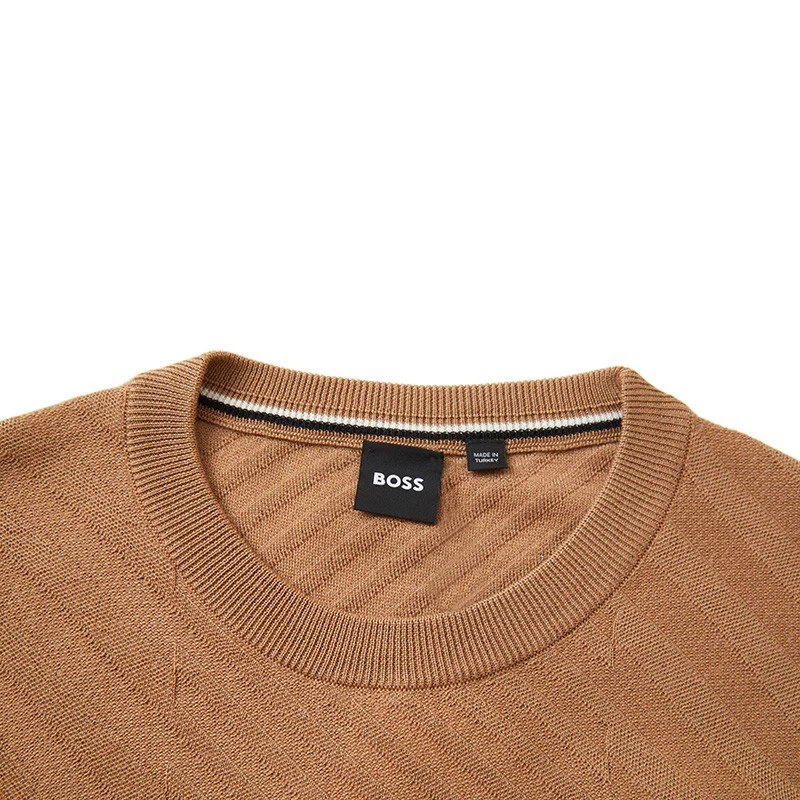
Inspect the stitching of the sweater. It should be even and tight. Loose or uneven stitching can indicate poor quality and may lead to the sweater falling apart over time.
Yarn Thickness
The thickness of the yarn used in the sweater can affect its warmth and durability. Thicker yarns generally provide more warmth, but they may also be heavier.
Pilling
Pilling is a common issue with sweaters, especially those made of certain materials. Look for sweaters that are less prone to pilling. Some high - quality materials and manufacturing processes can reduce the likelihood of pilling.
Consider the Layering Potential
In cold climates, layering is key. A good pullover sweater should be able to be layered effectively with other clothing items.
Base Layers
If you're going to be in extremely cold conditions, wearing a base layer underneath your sweater is essential. A base layer made of moisture - wicking material will keep you dry and warm.
Outer Layers
Your pullover sweater should also be able to be paired with a suitable outer layer, such as a coat or a jacket. Make sure the sweater doesn't restrict your movement when layered.
Think about Maintenance
Different materials require different levels of maintenance.
Machine Washable
If you're looking for convenience, choose a sweater that is machine washable. Many acrylic and some wool blends are machine washable, but always check the care instructions.
Dry Cleaning
Cashmere and some high - quality wool sweaters often require dry cleaning. While this can be more expensive and time - consuming, it's necessary to maintain the quality of the sweater.
In conclusion, choosing the right pullover sweater for a cold climate involves considering multiple factors, including material, fit, design, quality, layering potential, and maintenance. As a pullover sweater supplier, I'm committed to providing high - quality products that meet these criteria. Whether you're looking for a classic merino wool sweater or a trendy slim - fit option, we have a wide range of choices to suit your needs.
If you're interested in purchasing our pullover sweaters for your business or personal use, we'd love to have a discussion with you. Contact us to start a procurement negotiation and find the perfect sweaters for the cold season.
References
- "The Ultimate Guide to Winter Sweaters" by Fashion Magazine
- "Materials for Cold Weather Clothing" by Textile Research Institute