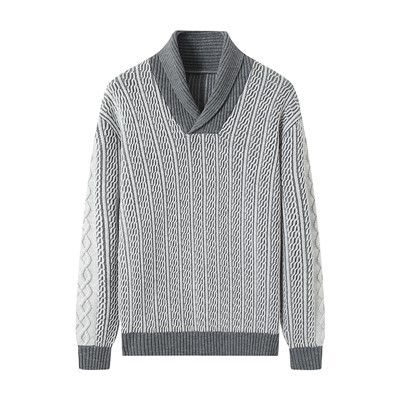
When buying children's sweaters, many parents tend to choose sizes based on age, often resulting in sweaters that are too big or too small. The safest method is to use the child's actual body measurements as a benchmark, combined with fabric elasticity, garment length, and fit. Below, we'll explain the key points of size conversion to help you quickly make a better fit whether shopping offline or online.
Key Measurement Points
To choose the correct size, parents need to measure several key measurements and compare them with a size chart when buying clothes. The four most practical measurements are:
Chest circumference: The circumference of the fullest part of the child's chest, keeping it relaxed and natural, without pulling the skin tight.
Height/Sitting height (standing posture): The vertical distance from the back of the neck to the heel, allowing the child to stand naturally.
Sleeve length: The vertical length from the shoulder point to the wrist; the length when the arm hangs naturally is closest to the actual wearing effect.
Shoulder width and back length: The horizontal width of the shoulder line and the vertical distance from the neck and jawline to the waistline of the back have a significant impact, especially on pullovers and hooded sweaters.