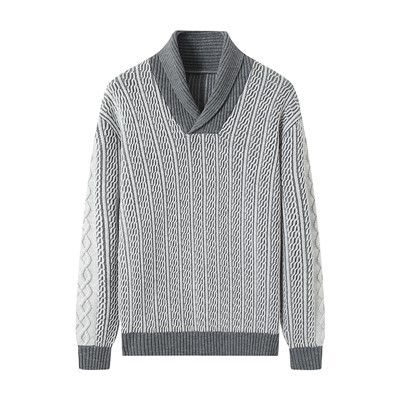
Common Sourcing Challenges with Pointelle Knit Sweaters
For apparel buyers and private label brands, pointelle sweaters can be more demanding to source than basic knitwear because the openwork pattern makes inconsistencies more visible. Buyers need to pay attention to stitch definition, pattern symmetry, garment measurements, neckline and rib stability, and how the selected yarn behaves after washing and wearing.
These issues should be addressed during sampling rather than after bulk production begins. A reliable pointelle knit sweater manufacturer should be able to discuss the relationship between yarn, gauge, fit, and openwork structure before the final specification is approved.

What Makes a Pointelle Knit Sweater Different?
Pointelle knitwear uses intentionally arranged openwork stitches to create decorative patterns within the knitted structure itself. Compared with a basic jersey or rib sweater, the visual result depends more heavily on consistent stitch formation and accurate motif placement.
The referenced Pointelle Crewneck Sweater combines an openwork cable pattern with leaf motifs, a ribbed crew neck, long sleeves, and a regular to slightly fitted silhouette. This type of construction can work well for women's fashion collections, autumn/winter knitwear programs, and transitional-season assortments where texture is part of the design language.
Yarn Selection for Pointelle Knitwear
The referenced style uses a blend of 20% Mohair, 25% Wool, 30% Nylon, and 25% Acrylic. In a pointelle design, yarn selection should be considered together with the stitch structure because fiber composition can influence hand feel, drape, warmth, stitch definition, and the overall appearance of the openwork pattern.
Mohair and wool contribute softness, warmth, and visual texture, while nylon and acrylic influence durability, shape behavior, and overall material performance. If a brand wants to develop a different fiber composition, feasibility should be discussed with the manufacturer during product development because changing the yarn can also change the way the pointelle pattern looks and behaves.
Why Gauge Matters in Pointelle Sweater Development
Gauge is an important development variable because it affects stitch density, openness, drape, and the scale of the decorative pattern. However, there is no single gauge that is automatically correct for every pointelle sweater.
The appropriate gauge should be evaluated together with the selected yarn, motif size, desired hand feel, garment weight, and target silhouette. Buyers should therefore avoid selecting gauge in isolation. A sample is the most practical way to evaluate whether the chosen combination produces the intended balance between pattern clarity, softness, structure, and wearability.
Key Customization Areas to Confirm
Color
The Pointelle Crewneck Sweater supports custom colors. For private label programs, buyers should confirm target colors early so the selected shade can be evaluated together with the yarn and pointelle texture during sampling.
Size and Fit
The referenced product is available from XS to 3XL, with size customization available. Because pointelle patterns create visible vertical and horizontal rhythm, fit approval should consider not only basic garment measurements but also how the motif sits across the body and sleeves.
Neckline, Cuffs and Hem
Ribbed areas help define the shape of a crew-neck sweater. Buyers should check neckline shape, cuff dimensions, hem stability, and their visual relationship with the openwork body during sample review.
Design Details
For styles using leaf motifs, cables, or other decorative openwork structures, confirm motif placement, scale, symmetry, and spacing in the approved sample. Any requested construction changes should be reviewed with the manufacturer for technical feasibility before bulk production.
OEM Development Process for Pointelle Sweaters
A clear development process helps reduce misunderstandings between the buyer and the factory. Exact procedures vary by manufacturer and project, but buyers should normally confirm the following stages before bulk production:
Design and Specification Review: Provide the manufacturer with garment measurements, target fit, yarn requirements, color references, pointelle or motif details, and any branding requirements that are already defined.
Yarn and Construction Confirmation: Confirm the proposed yarn composition and discuss how gauge and stitch structure may affect the desired appearance and hand feel.
Sampling: Review the sample for openwork consistency, motif placement, drape, fit, neckline shape, rib stability, and overall workmanship.
Size and Color Approval: Confirm size specifications and custom color requirements before bulk production.
Pre-Production Confirmation: Make sure approved measurements, materials, colors, and construction details are clearly recorded so the production reference is consistent.
Bulk Quality Review: Inspect finished garments for measurements, stitch defects, pattern consistency, seam quality, symmetry, labeling, and overall appearance.
Pointelle Sweater Quality Control: What Buyers Should Check
Quality control for pointelle knitwear should focus on both general garment construction and the decorative openwork structure. Because the pattern itself is visually prominent, even small inconsistencies can be more noticeable than on a plain knit sweater.
Openwork consistency: Check whether the openings and decorative motifs remain visually consistent across the garment.
Pattern symmetry: Compare corresponding areas such as the left and right sides, sleeves, or repeated motifs.
Stitch defects: Look for irregular stitches, visible damage, or areas where the pattern does not follow the approved sample.
Garment measurements: Compare finished measurements with the approved size specification.
Neckline and rib stability: Check the crew neck, cuffs, and hem for distortion or inconsistent dimensions.
Seam quality: Review seam alignment and finishing, especially where patterned sections meet other construction areas.
Overall appearance: Confirm that the garment matches the approved sample in fit, proportion, color, texture, and visual balance.
For buyers, the most important reference is the approved sample. It provides a practical benchmark for evaluating whether bulk production remains consistent with the agreed design and specification.
How to Choose a Pointelle Knit Sweater Manufacturer
Selecting a suitable pointelle sweater manufacturer should be based on development capability and communication rather than on price alone. Buyers can evaluate potential suppliers around several practical areas.
Pointelle Experience: Ask to review relevant knitwear samples or previous openwork styles to understand the manufacturer's experience with decorative knitted structures.
Sampling Capability: Confirm whether the factory can evaluate yarn, gauge, stitch structure, measurements, and motif details during development.
MOQ: Request the actual minimum order quantity for your selected yarn, color, size range, and customization requirements rather than assuming one MOQ applies to every project.
Lead Time: Ask for separate estimated timelines for sampling, material confirmation, and bulk production based on the specific project.
Quality Control: Discuss which inspection points are used for measurements, stitch quality, openwork consistency, rib stability, seam quality, and final appearance.
Customization: Confirm which elements can be customized, such as color, sizing, fit, and selected construction details, and which changes require additional development.
Communication: A capable supplier should be able to explain technical limitations clearly and confirm changes before production rather than making assumptions.
Recommended Pointelle Crewneck Sweater for OEM Development
The Pointelle Crewneck Sweater provides a useful reference for brands developing textured women's knitwear. The style combines 20% Mohair, 25% Wool, 30% Nylon, and 25% Acrylic with an openwork cable pattern, leaf motifs, ribbed crew neck, long sleeves, and a regular to slightly fitted silhouette.
It is available in XS–3XL, with customizable sizing and colors. For brands considering the style as a starting point for an OEM or private label project, the most important next step is to confirm the target fit, color, yarn requirements, and any requested construction changes during sampling.
Frequently Asked Questions
What is pointelle knit in sweater manufacturing?
Pointelle knit uses intentionally arranged openwork stitches to create decorative and breathable patterns. In sweater production, consistent stitch formation and motif placement are important for maintaining the intended appearance across the garment.
How does yarn choice affect a pointelle sweater?
Yarn composition can influence softness, warmth, drape, stitch definition, and how clearly the openwork pattern appears. Buyers should therefore evaluate yarn and pointelle construction together rather than choosing the fiber composition independently.
What should buyers check during pointelle sweater quality control?
Important checks include openwork pattern consistency, stitch defects, garment measurements, neckline and rib stability, seam quality, motif symmetry, and overall appearance. The approved sample should be used as the main reference when reviewing bulk production.
Can pointelle sweaters be customized for private label collections?
Yes. The referenced Pointelle Crewneck Sweater supports customized colors and sizes. If a brand requires different yarns, motif changes, fit adjustments, or other construction modifications, those requirements should be discussed with the manufacturer during development and sampling to confirm feasibility.
Choosing the Right OEM Partner for Pointelle Knitwear
A successful pointelle sweater program depends on more than selecting an attractive pattern. Yarn, gauge, stitch structure, fit, and quality control influence one another, so they should be evaluated together during development.
For fashion brands, sourcing managers, and private label buyers, the practical approach is to define the target look clearly, review a physical sample, confirm measurements and customization requirements, and then use that approved specification as the reference for bulk production.
Brands interested in developing a pointelle style can review the Pointelle Crewneck Sweater as a reference and discuss their specific color, size, fit, and development requirements with the manufacturer before moving forward with production.