A Day in the Life of a Knitwear Quality Inspector
A closer look at the daily inspection work behind consistent knitwear production
A well-made sweater is not simply the result of good yarn or an attractive design. Its final quality depends on a series of production decisions, careful workmanship, and continuous inspection.
From the first knitted panel to the finished garment, every stage can influence the appearance, fit, structure, and overall consistency of knitwear.
For clothing brands and wholesale buyers, understanding how a manufacturer manages quality is an important part of choosing a reliable production partner.
At JIAXING KAIDA APPAREL CO., LTD., a knitwear manufacturer based in Puyuan, Jiaxing, China, quality is considered throughout the manufacturing process rather than being left entirely to the final inspection. The following article takes a closer look at the daily inspection work involved in knitwear production and how these practices support consistent garment quality.
1. The Morning Starts with Understanding the Production Requirements
A quality inspection process begins before the garments are examined.
At the start of the working day, inspection priorities need to be understood according to the product being manufactured. Different knitwear styles have different construction requirements, and the inspection focus should reflect those differences.
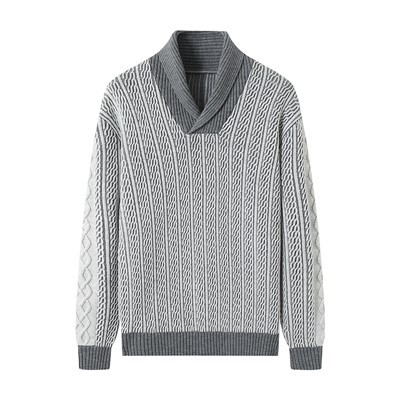
For example, a cable-knit sweater requires attention to the alignment and definition of its cable patterns. A jacquard cardigan needs careful observation of its pattern placement and color arrangement. A basic ribbed sweater may require closer attention to rib structure, garment dimensions, and overall shape.
At KAIDA, product requirements are considered in relation to the garment's design, specifications, and construction details. This helps ensure that inspection work focuses on the characteristics that matter most to each style.
2. Checking Knitted Panels Before Garment Assembly
Before a sweater becomes a complete garment, its knitted panels need to be checked.
In knitwear manufacturing, individual garment panels are produced on knitting machines and then connected through linking and sewing processes. The condition of these panels can directly affect the finished garment.
Inspection may focus on:
· Visible holes, broken yarns, or knitting irregularities
· Uneven stitch appearance or inconsistent texture
· Pattern alignment and design definition
· Color consistency between different panels
· Obvious differences in panel dimensions
For patterned knitwear, such as jacquard, cable-knit, or color-block designs, the placement and continuity of the pattern are particularly important.
KAIDA's production process includes flat knitting of garment panels before linking and sewing. Checking the knitted pieces before assembly helps identify visible issues at an earlier stage, reducing the risk of carrying avoidable defects into the finished garment.

3. Linking and Seam Construction Deserve Close Attention
A sweater may have well-knitted panels, but poor joining work can still affect its final appearance and durability.
Linking and seam construction are important parts of knitwear manufacturing. The quality of these areas influences how the garment holds its shape and how smoothly its different sections come together.
During inspection, attention may be given to:
· Shoulder and side seam alignment
· Sleeve attachment and armhole construction
· Neckline and collar connections
· Cuff and hem joining
· Loose yarn ends and uneven seam appearance
For garments with complex structures or multiple knitted components, consistent joining is especially important.
At KAIDA, linking and sewing are part of the garment-making process after the knitted panels are produced. Paying attention to these construction details helps maintain a cleaner appearance and more consistent garment structure.

4. Measuring Garments to Check Shape and Fit
Measurements are another essential part of knitwear quality inspection.
Unlike some woven garments, knitted garments can be affected by their structure, yarn characteristics, and finishing treatment. Therefore, checking garment dimensions is important for confirming whether the finished product is consistent with the approved specifications.
Common measurement points include:
· Body length
· Chest width
· Shoulder width
· Sleeve length
· Hem width
· Cuff width
· Neck opening
The measurement points should follow the relevant product specification and approved sample.
For international clothing brands, measurement consistency is particularly important because sizing expectations may differ between markets and brand positioning.
KAIDA pays attention to garment measurements as part of its quality control considerations, helping B2B customers maintain better consistency between approved samples and bulk production.

5. Small Details Can Make a Big Difference
Some quality issues are not immediately visible when looking at an entire garment. They become noticeable only when individual details are examined more closely.
For example, a cardigan may have an attractive overall design, but uneven button spacing or poorly aligned buttonholes can affect its finished appearance.
Other details worth checking include:
· Collar and neckline shape
· Ribbed cuffs and hem
· Button attachment and positioning
· Pocket placement
· Embroidery or decorative details
· Labels and loose yarn ends
These details are particularly important for premium knitwear, where the overall impression often depends on the coordination of multiple small construction elements.
At KAIDA, product-specific details are considered during inspection so that decorative features and functional components remain consistent with the intended design.
6. Finishing Inspection: Looking at the Garment as a Whole
After assembly, the garment enters the finishing stage. This is when its overall appearance becomes easier to evaluate.
Finishing-related checks may include the garment's surface condition, shape, cleanliness, and visible appearance.
Depending on the product requirements, inspection may focus on:
· Surface appearance and visible yarn defects
· Garment shape after finishing
· Ribbing and edge appearance
· Loose threads and unnecessary yarn ends
· Visible stains or handling marks
· Overall garment presentation
For knitwear, finishing is not simply about making a garment look neat. It also helps the product approach the appearance and dimensions expected by the buyer.
KAIDA considers finishing requirements according to the characteristics of each garment and the agreed product specifications. This is particularly relevant when working with different yarn compositions, knitted structures, and garment designs.
7. Final Inspection Before Packing
Before garments are prepared for shipment, a final inspection provides another opportunity to review their overall condition.
This stage helps confirm whether the finished garments meet the agreed requirements and whether any visible issues remain.
Depending on the buyer's inspection requirements, the final review may cover:
· General appearance and workmanship
· Key garment measurements
· Stitching and seam condition
· Design details and component placement
· Labels and product presentation
· Cleanliness and packing condition
For overseas brands and wholesale buyers, consistency across the order is just as important as the quality of an individual sample.
A garment that looks correct on its own must also be consistent with the approved product standard when produced in larger quantities.

8. How KAIDA Approaches Knitwear Quality in OEM Production
For a knitwear manufacturer, quality management is closely connected to understanding how a garment is developed and produced.
JIAXING KAIDA APPAREL CO., LTD. is based in Puyuan, Jiaxing, one of China's established knitwear manufacturing areas. The company focuses on knitwear OEM and ODM production for international clothing brands, wholesalers, and sourcing teams.
With its own manufacturing facility and experience in knitwear production, KAIDA works with different garment structures, yarn compositions, and design requirements.
Its production approach places attention on several important areas:
Knitwear Construction: From flat-knitted panels to linking and sewing, attention is given to the construction details that influence the finished garment.
Sample Development: Sample production helps translate a buyer's reference images, technical packages, or design ideas into a physical garment for review and adjustment.
Product-Specific Quality Checks: Inspection priorities are considered according to the garment's yarn, structure, measurements, and design features rather than relying on one generic checklist for every style.
OEM Production Support: KAIDA works with overseas buyers on knitwear development and production, supporting communication between product requirements and manufacturing execution.
Whether a project involves a basic commercial sweater, a textured knit cardigan, or a more detailed jacquard design, understanding the garment's construction is an important part of maintaining production consistency.
9. What Should Buyers Look for When Choosing a Knitwear Manufacturer?
For buyers sourcing knitwear from China, factory selection should involve more than comparing quotations.
A reliable manufacturing partner should be able to understand the product, identify important construction details, and communicate clearly when a design requirement may affect production.
Before placing an order, buyers may consider the following questions:
Does the manufacturer understand different knit structures?
Experience with different knitting patterns and garment constructions helps a factory evaluate product requirements more accurately.
Can the factory develop samples based on buyer references?
A sample provides an opportunity to review appearance, measurements, construction, and material choices before bulk production.
How are quality requirements communicated?
Clear specifications and approved samples help reduce misunderstandings during production.
Does the manufacturer pay attention to details beyond the overall appearance?
Seams, ribbing, pattern alignment, and garment measurements can all influence the finished result.
Can the manufacturer support ongoing OEM production?
For brands developing seasonal collections, consistent communication and production coordination are important for long-term cooperation.
These considerations help buyers evaluate whether a supplier can support not only one order, but also future product development and replenishment needs.
10. Quality Is Built into Every Stage of Knitwear Production
A quality inspector's work is not limited to identifying defects at the end of production. It is connected to every stage of garment manufacturing, from knitted panels and joining work to measurements, finishing, and final presentation.
For clothing brands, this means that product quality should be considered from the beginning of the development process. Clear specifications, suitable materials, accurate samples, and consistent production communication all contribute to a better manufacturing result.
At JIAXING KAIDA APPAREL CO., LTD., the focus is on helping international buyers turn knitwear designs into manufacturable products through practical OEM and ODM cooperation.
If your brand is developing a new knitwear collection or looking for a manufacturing partner for sweaters, cardigans, and other knitted garments, KAIDA welcomes inquiries from overseas brands, wholesalers, and sourcing teams.
Share your design images, technical package, or product requirements with KAIDA to discuss sample development and knitwear production possibilities.
Website: https://www.kdaapparel.com/
Company: JIAXING KAIDA APPAREL CO., LTD.