The Complete Knitwear Sampling Process: From Design Submission to Sample Approval
Developing a knitwear collection involves more than turning a design sketch into a finished garment. Before a style is ready for bulk production, its yarn, knitting structure, measurements, garment construction, finishing details, and overall appearance need to be evaluated through sample development.
For fashion brands, wholesalers, and apparel sourcing teams, understanding the knitwear sampling process helps make communication with manufacturers more efficient. It also makes it easier to identify potential production issues before bulk manufacturing begins.
In conventional flat-knitted garment production, individual knitted panels are produced first and then assembled through linking, seaming, and other finishing operations. Each stage can influence the final garment's fit, appearance, and construction quality.
This article explains the complete knitwear sample development process, from the initial design submission to sample approval and preparation for bulk production.
1. Customer Inquiry and Design Information Submission
The sampling process usually begins when a brand or buyer submits a product inquiry and provides the available design information.
The more complete the initial information is, the easier it is for the manufacturer to understand the product requirements and evaluate the development work.
Common reference materials include:
Design sketches or reference photographs
Technical packs (Tech Packs), if available
Size charts and measurement specifications
Yarn composition and material preferences
Color references or color standards
Knitting structure and stitch details
Artwork, jacquard patterns, or placement references
Labels, trims, and packaging requirements
A complete Tech Pack is helpful, but it is not always necessary to have every detail finalized before the first discussion. Buyers may initially provide photographs, sketches, or an existing garment as a reference.
The manufacturer can then review the available information and identify which details still need confirmation.
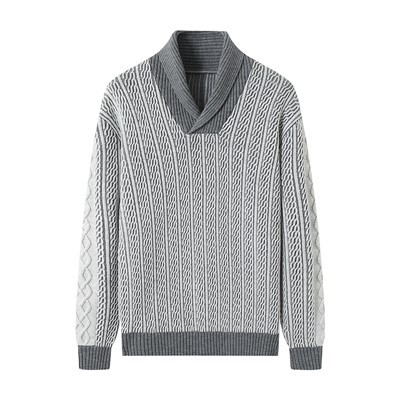
For example, a sweater design may show a cable pattern, ribbed cuffs, and a specific neckline shape. However, the technical details behind the design-such as the cable structure, rib proportions, garment measurements, and yarn characteristics-may need further discussion before sampling begins.
Clear communication at this stage helps reduce misunderstandings during development.
2. Technical Review and Product Feasibility Assessment
After receiving the design information, the manufacturer reviews the product's construction and technical requirements.
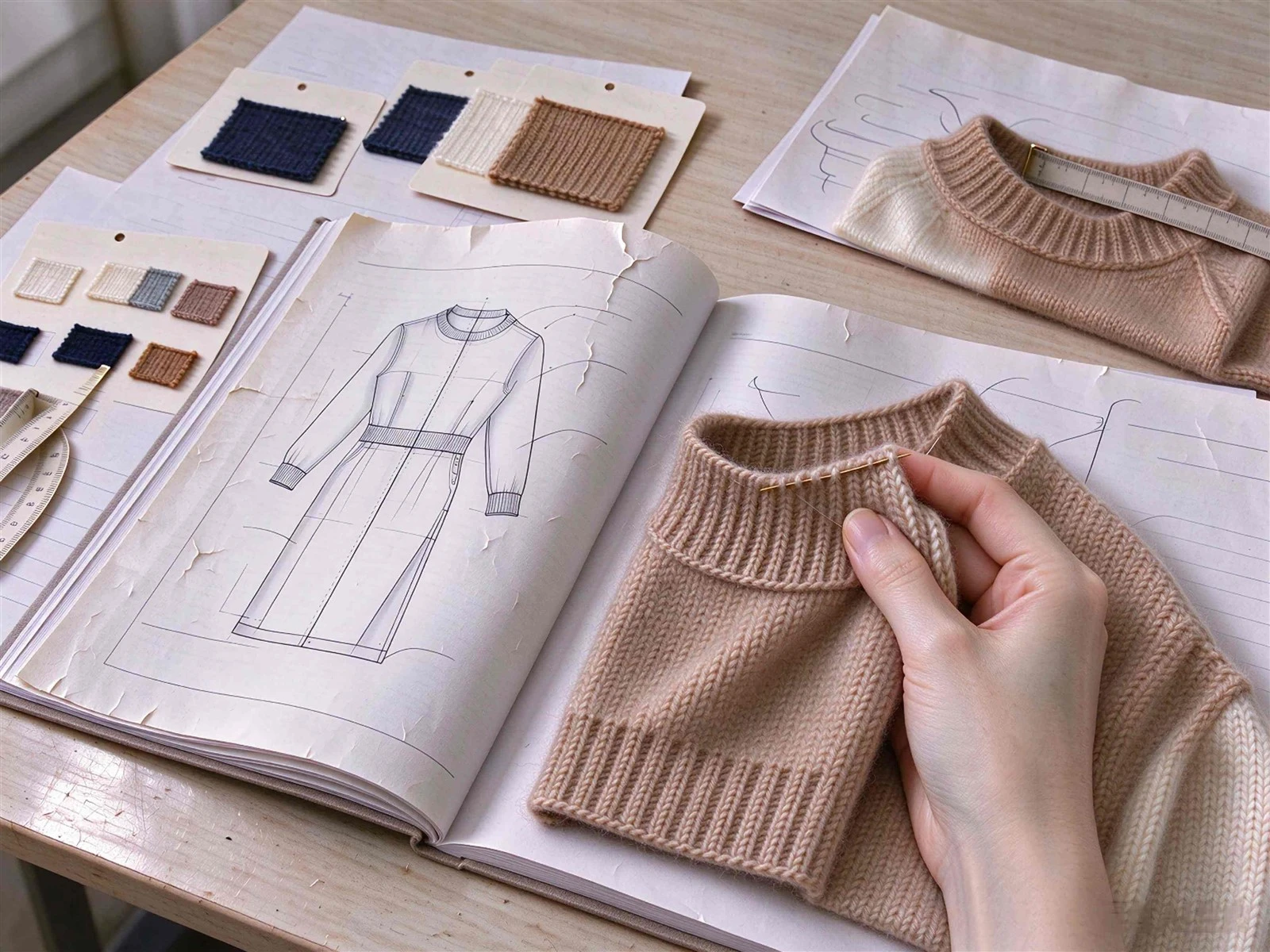
This step is important because a design that looks straightforward in a drawing may involve several production considerations.
The review may cover:
Overall garment structure and panel construction
Knitting techniques and stitch complexity
Gauge and fabric density requirements
Pattern placement and alignment
Neckline, shoulder, sleeve, and cuff construction
Measurement specifications and intended fit
Special finishing or decorative details
For example, a garment with multiple color blocks or complex jacquard patterns may require careful planning of the knitting panels and pattern positions.
A cable-knit sweater may need additional attention to stitch definition, panel dimensions, and how the pattern continues across different garment sections.
The manufacturer also considers how the individual knitted panels will be assembled. Since conventional flat-knitted garments are made by joining separate components, the dimensions and construction of each panel must work together to achieve the intended silhouette.
If any design details are unclear or technically challenging, they should be discussed before the sample is made.
The purpose of this review is not simply to reproduce the design, but to establish a practical development approach that can be carried through to production.
3. Yarn Selection and Material Confirmation
Yarn selection is one of the most influential decisions in knitwear development. Different yarn compositions and characteristics can produce noticeably different results, even when the same knitting structure is used.
Depending on the product requirements, material discussions may include:
Fiber composition
Yarn thickness and count
Yarn hand feel and surface appearance
Elasticity and recovery
Softness and weight
Color availability
Compatibility with the intended knitting structure
Common knitwear materials include cotton, wool, merino wool, cashmere, alpaca, acrylic, polyester, nylon, and various blended yarns.
The appropriate choice depends on the garment's positioning, target market, intended season, price level, and design requirements.
For example, a lightweight cotton-blend cardigan may require a different yarn specification from a winter cable-knit sweater. A soft wool-blend yarn may be suitable for a textured design, while a smooth yarn may be preferred when clear stitch definition is important.
Color confirmation is also part of this stage. Buyers may provide physical yarn references, color cards, or recognized color standards. When exact color matching is important, the reference method and approval requirements should be clarified before production.
Before knitting begins, the material and color details should be sufficiently confirmed to avoid unnecessary changes later in the sampling process.
4. Knitting Structure and Panel Development
Once the main material and design requirements have been reviewed, the manufacturer prepares the knitting approach for the garment.
In conventional flat-knitted garment production, the front, back, sleeves, and other components are knitted as individual panels or parts according to the product's construction requirements.
The knitting structure determines the fabric's appearance, thickness, texture, and performance.
Depending on the design, it may include:
Plain knit structures
Rib structures
Cable patterns
Jacquard patterns
Stripe and color-block arrangements
Textured stitch patterns
Openwork structures
Each structure has different technical requirements. For example, rib structures are commonly used in cuffs, hems, and necklines, while jacquard designs require attention to color arrangement and pattern placement.
Panel dimensions also need to be considered. The front and back panels, sleeves, and smaller components must be developed according to the intended garment measurements and construction method.
For patterned garments, the manufacturer also needs to consider how the design will appear after the panels are assembled. Pattern alignment, symmetry, and the visual connection between garment sections can affect the overall appearance.
This stage connects the original design concept with the actual knitting work.
5. Knitting the Individual Garment Panels
After the knitting requirements have been established, the individual garment panels are produced.
This is a key stage in the sampling process because the knitted panels form the foundation of the finished garment.
The manufacturer produces the required components according to the confirmed yarn, knitting structure, gauge, and dimensions.
Depending on the style, these may include:
Front panel
Back panel
Left and right sleeves
Collar components
Cuffs and hem sections
Pocket or other decorative components
During panel production, attention needs to be paid to stitch consistency, fabric appearance, dimensions, and pattern placement.
A panel that differs significantly from the intended dimensions may affect the final garment's fit. Similarly, inconsistent stitch tension or an incorrectly positioned pattern may become more noticeable after assembly.
For this reason, panel development is not simply a matter of producing knitted fabric. It requires coordination between the design specifications, knitting structure, and garment construction requirements.
6. Linking, Seaming, and Garment Assembly
After the knitted panels are completed, they are assembled into a garment through linking, seaming, and other construction operations.
This stage is particularly important in conventional flat-knitted garment production because the quality of the joining work directly influences the finished product.
Depending on the garment structure, assembly may involve:
Joining the front and back panels
Attaching sleeves
Closing side seams
Joining shoulder sections
Attaching collars and neckline components
Connecting cuffs and hem sections
Securing smaller garment components
Linking and sewing are not interchangeable in every construction situation. The appropriate joining method depends on the garment structure, yarn characteristics, design details, and required finish.
For example, a fine-gauge cardigan may require careful handling around the button placket and neckline. A textured sweater may need additional attention to seam positioning so that the knitted pattern remains visually balanced.
The manufacturer also needs to check the garment's shape during assembly. Even when the individual panels are correctly produced, inaccurate joining or uneven seam handling may affect the final dimensions and silhouette.
A well-assembled sample should reflect not only the original design but also a construction method suitable for consistent production.
7. Washing, Finishing, and Shape Adjustment
Once the garment has been assembled, it may proceed to the appropriate washing and finishing operations according to the material and product requirements.
Finishing is an important part of knitwear development because the garment's appearance and measurements can change after treatment.
Depending on the style, yarn, and agreed requirements, finishing may involve:
Washing or garment cleaning
Shape adjustment
Drying and conditioning
Measurement rechecking
Surface appearance inspection
Loose-end trimming and general finishing
Different yarn compositions may respond differently to washing and finishing. The process therefore needs to be considered in relation to the actual material rather than applying the same treatment to every garment.
For example, a wool-blend sweater may require different handling from a cotton-blend knit top. A garment with a textured structure may also need careful shape adjustment to maintain its intended appearance.
The purpose of finishing is to bring the assembled sample closer to its intended final condition and make the subsequent evaluation more meaningful.
8. Internal Sample Inspection
Before a sample is sent to the buyer, the manufacturer should review the finished garment against the available design information and product requirements.
Internal inspection helps identify visible issues before the buyer evaluates the sample.
Common inspection points include:
Measurements: Key garment measurements are checked against the provided size specifications or agreed sample measurements.
Knitting appearance: Stitch consistency, fabric texture, and visible knitting defects are reviewed.
Pattern and color placement: Stripes, jacquard patterns, cable details, and color-block sections are checked for their intended positioning.
Assembly quality: Linking, seams, shoulder joins, sleeve attachments, and other construction areas are examined.
Finishing condition: The garment is reviewed for shape, loose yarn ends, surface appearance, and overall neatness.
Design details: Collars, cuffs, buttons, pockets, trims, and other specified details are checked against the reference.
If a problem is identified, the manufacturer can evaluate whether an adjustment is needed before the sample is submitted.
Internal inspection does not replace the buyer's approval. Instead, it provides an additional quality review before the sample moves to the next stage.

9. Sample Submission and Customer Feedback
After internal review, the sample can be submitted to the buyer for evaluation.
The buyer should assess the sample not only by its overall appearance but also by its measurements, fit, materials, construction, and intended commercial positioning.
Feedback may cover:
Garment length and width
Shoulder and sleeve proportions
Overall fit and silhouette
Yarn hand feel and fabric weight
Color and pattern appearance
Neckline, cuffs, and hem details
Buttons, labels, and other trims
Construction and finishing quality
For a more efficient revision process, feedback should be as specific as possible.
For example, instead of simply requesting a looser fit, the buyer can indicate which measurement needs to change and provide the preferred measurement where possible.
Likewise, if a pattern appears too large or too small, a reference image or clear adjustment instruction can help the manufacturer understand the required change.
Organized feedback makes it easier to identify the exact parts that need revision and reduces unnecessary back-and-forth communication.
10. Sample Revision and Final Approval
The first sample is an important development reference, but it may not always represent the final approved version.
Depending on the buyer's evaluation, adjustments may be required to improve the fit, measurements, knitting details, material selection, or garment construction.
Common revision areas include:
Adjusting garment measurements
Changing sleeve or body proportions
Refining neckline or cuff dimensions
Modifying stitch structures or pattern placement
Reviewing yarn composition or color
Improving assembly and finishing details
When changes are requested, the buyer and manufacturer should confirm the revision instructions clearly.
It is also important to distinguish between changes that affect the garment's appearance and changes that affect its construction. A small visual adjustment may require only a limited modification, while a change to the knitting structure or overall dimensions may involve more extensive sample development.
Once the revised sample meets the agreed requirements, the buyer can confirm the final sample for production reference.
The approved sample should be retained as an important reference for the subsequent production process.
11. From Approved Sample to Bulk Production
Sample approval marks an important transition from product development to bulk manufacturing.
However, approval does not mean that every production detail can be left unchanged or assumed.
Before bulk production begins, the buyer and manufacturer should confirm the key product information, including:
Final yarn composition and material specifications
Approved color references
Knitting structure and gauge requirements
Final garment measurements and tolerances
Pattern placement and construction details
Washing and finishing requirements
Labels, trims, and packaging instructions
Approved sample and any relevant revision records
The approved sample provides a physical reference for production, while the confirmed technical information helps communicate the product requirements to the manufacturing team.
For knitted garments made from individual panels, consistency needs to be considered throughout panel knitting, linking, seaming, finishing, and final inspection.
A clear handover from sampling to bulk production helps reduce the risk of differences between the approved sample and the finished order.
For brands and sourcing teams, the sampling stage is therefore not only a product-development step. It is also an opportunity to confirm whether the design, materials, construction, and production requirements are sufficiently clear before placing a bulk order.
12. Frequently Asked Questions About Knitwear Sampling
1. What information should I provide when requesting a knitwear sample?
Buyers should provide design sketches, reference photographs, a Tech Pack if available, size specifications, yarn preferences, color references, and any special construction or finishing requirements. If some information is not yet finalized, the manufacturer can review the available materials and identify the details that need further discussion.
2. Can a knitwear manufacturer develop a sample from a reference photograph?
Yes. A reference photograph can be used as an initial development reference. However, a photograph may not show the exact yarn composition, stitch structure, measurements, or construction details. These elements need to be reviewed and confirmed during the development process.
3. Why does yarn selection need to be confirmed before sample knitting?
Yarn characteristics influence fabric thickness, hand feel, drape, stitch definition, weight, and overall appearance. Using a different yarn may change the result even when the knitting structure remains similar. Confirming the material early helps the manufacturer develop a sample that is closer to the buyer's expectations.
4. How are conventional flat-knitted garments assembled?
In conventional flat-knitted garment production, individual components such as the front, back, and sleeves are knitted separately according to the garment design. These components are then joined through linking, seaming, and other construction operations before finishing.
5. Why might the finished sample measurements differ from the original panel measurements?
Knitted fabric can change during assembly, washing, drying, and finishing. Seam handling and shape adjustment can also influence the final garment dimensions. This is why measurements should be reviewed after the garment has completed the relevant finishing process.
6. What should buyers check when they receive a knitwear sample?
Buyers should review the overall fit, key measurements, yarn hand feel, fabric weight, color, knitting pattern, construction, and finishing details. It is also helpful to compare the sample with the original Tech Pack and reference materials.
7. Can changes be made after the first sample is completed?
Yes. Sample development often involves reviewing the first sample and making adjustments based on buyer feedback. The extent of the revision depends on the requested changes. Measurement adjustments may differ in complexity from changes to yarn, knitting structure, or garment construction.
8. What happens after the final sample is approved?
After approval, the final sample and confirmed technical details become important references for bulk production. The manufacturer and buyer should make sure that materials, colors, measurements, construction, finishing, and packaging requirements are clearly documented before production starts.
Conclusion
The knitwear sampling process connects a design concept with a garment that can be evaluated, refined, and prepared for production.
From design submission and technical review to yarn confirmation, panel knitting, linking, seaming, finishing, inspection, and final approval, each stage contributes to the finished garment.
For fashion brands and sourcing teams, understanding these steps makes communication with knitwear manufacturers more effective and helps identify important product details before bulk production begins.
A well-organized sampling process provides a clearer development reference, supports more consistent manufacturing, and creates a stronger foundation for bringing a knitwear collection to market.
The Complete Knitwear Sampling Process: From Design Submission to Sample Approval
Developing a knitwear collection involves more than turning a design sketch into a finished garment. Before a style is ready for bulk production, its yarn, knitting structure, measurements, garment construction, finishing details, and overall appearance need to be evaluated through sample development.
For fashion brands, wholesalers, and apparel sourcing teams, understanding the knitwear sampling process helps make communication with manufacturers more efficient. It also makes it easier to identify potential production issues before bulk manufacturing begins.
In conventional flat-knitted garment production, individual knitted panels are produced first and then assembled through linking, seaming, and other finishing operations. Each stage can influence the final garment's fit, appearance, and construction quality.
This article explains the complete knitwear sample development process, from the initial design submission to sample approval and preparation for bulk production.
1. Customer Inquiry and Design Information Submission
The sampling process usually begins when a brand or buyer submits a product inquiry and provides the available design information.
The more complete the initial information is, the easier it is for the manufacturer to understand the product requirements and evaluate the development work.
Common reference materials include:
Design sketches or reference photographs
Technical packs (Tech Packs), if available
Size charts and measurement specifications
Yarn composition and material preferences
Color references or color standards
Knitting structure and stitch details
Artwork, jacquard patterns, or placement references
Labels, trims, and packaging requirements
A complete Tech Pack is helpful, but it is not always necessary to have every detail finalized before the first discussion. Buyers may initially provide photographs, sketches, or an existing garment as a reference.
The manufacturer can then review the available information and identify which details still need confirmation.
For example, a sweater design may show a cable pattern, ribbed cuffs, and a specific neckline shape. However, the technical details behind the design-such as the cable structure, rib proportions, garment measurements, and yarn characteristics-may need further discussion before sampling begins.
Clear communication at this stage helps reduce misunderstandings during development.
2. Technical Review and Product Feasibility Assessment
After receiving the design information, the manufacturer reviews the product's construction and technical requirements.
This step is important because a design that looks straightforward in a drawing may involve several production considerations.
The review may cover:
Overall garment structure and panel construction
Knitting techniques and stitch complexity
Gauge and fabric density requirements
Pattern placement and alignment
Neckline, shoulder, sleeve, and cuff construction
Measurement specifications and intended fit
Special finishing or decorative details
For example, a garment with multiple color blocks or complex jacquard patterns may require careful planning of the knitting panels and pattern positions.
A cable-knit sweater may need additional attention to stitch definition, panel dimensions, and how the pattern continues across different garment sections.
The manufacturer also considers how the individual knitted panels will be assembled. Since conventional flat-knitted garments are made by joining separate components, the dimensions and construction of each panel must work together to achieve the intended silhouette.
If any design details are unclear or technically challenging, they should be discussed before the sample is made.
The purpose of this review is not simply to reproduce the design, but to establish a practical development approach that can be carried through to production.
3. Yarn Selection and Material Confirmation
Yarn selection is one of the most influential decisions in knitwear development. Different yarn compositions and characteristics can produce noticeably different results, even when the same knitting structure is used.
Depending on the product requirements, material discussions may include:
Fiber composition
Yarn thickness and count
Yarn hand feel and surface appearance
Elasticity and recovery
Softness and weight
Color availability
Compatibility with the intended knitting structure
Common knitwear materials include cotton, wool, merino wool, cashmere, alpaca, acrylic, polyester, nylon, and various blended yarns.
The appropriate choice depends on the garment's positioning, target market, intended season, price level, and design requirements.
For example, a lightweight cotton-blend cardigan may require a different yarn specification from a winter cable-knit sweater. A soft wool-blend yarn may be suitable for a textured design, while a smooth yarn may be preferred when clear stitch definition is important.
Color confirmation is also part of this stage. Buyers may provide physical yarn references, color cards, or recognized color standards. When exact color matching is important, the reference method and approval requirements should be clarified before production.
Before knitting begins, the material and color details should be sufficiently confirmed to avoid unnecessary changes later in the sampling process.
4. Knitting Structure and Panel Development
Once the main material and design requirements have been reviewed, the manufacturer prepares the knitting approach for the garment.
In conventional flat-knitted garment production, the front, back, sleeves, and other components are knitted as individual panels or parts according to the product's construction requirements.
The knitting structure determines the fabric's appearance, thickness, texture, and performance.
Depending on the design, it may include:
Plain knit structures
Rib structures
Cable patterns
Jacquard patterns
Stripe and color-block arrangements
Textured stitch patterns
Openwork structures
Each structure has different technical requirements. For example, rib structures are commonly used in cuffs, hems, and necklines, while jacquard designs require attention to color arrangement and pattern placement.
Panel dimensions also need to be considered. The front and back panels, sleeves, and smaller components must be developed according to the intended garment measurements and construction method.
For patterned garments, the manufacturer also needs to consider how the design will appear after the panels are assembled. Pattern alignment, symmetry, and the visual connection between garment sections can affect the overall appearance.
This stage connects the original design concept with the actual knitting work.
5. Knitting the Individual Garment Panels
After the knitting requirements have been established, the individual garment panels are produced.
This is a key stage in the sampling process because the knitted panels form the foundation of the finished garment.
The manufacturer produces the required components according to the confirmed yarn, knitting structure, gauge, and dimensions.
Depending on the style, these may include:
Front panel
Back panel
Left and right sleeves
Collar components
Cuffs and hem sections
Pocket or other decorative components
During panel production, attention needs to be paid to stitch consistency, fabric appearance, dimensions, and pattern placement.
A panel that differs significantly from the intended dimensions may affect the final garment's fit. Similarly, inconsistent stitch tension or an incorrectly positioned pattern may become more noticeable after assembly.
For this reason, panel development is not simply a matter of producing knitted fabric. It requires coordination between the design specifications, knitting structure, and garment construction requirements.
6. Linking, Seaming, and Garment Assembly
After the knitted panels are completed, they are assembled into a garment through linking, seaming, and other construction operations.
This stage is particularly important in conventional flat-knitted garment production because the quality of the joining work directly influences the finished product.
Depending on the garment structure, assembly may involve:
Joining the front and back panels
Attaching sleeves
Closing side seams
Joining shoulder sections
Attaching collars and neckline components
Connecting cuffs and hem sections
Securing smaller garment components
Linking and sewing are not interchangeable in every construction situation. The appropriate joining method depends on the garment structure, yarn characteristics, design details, and required finish.
For example, a fine-gauge cardigan may require careful handling around the button placket and neckline. A textured sweater may need additional attention to seam positioning so that the knitted pattern remains visually balanced.
The manufacturer also needs to check the garment's shape during assembly. Even when the individual panels are correctly produced, inaccurate joining or uneven seam handling may affect the final dimensions and silhouette.
A well-assembled sample should reflect not only the original design but also a construction method suitable for consistent production.
7. Washing, Finishing, and Shape Adjustment
Once the garment has been assembled, it may proceed to the appropriate washing and finishing operations according to the material and product requirements.
Finishing is an important part of knitwear development because the garment's appearance and measurements can change after treatment.
Depending on the style, yarn, and agreed requirements, finishing may involve:
Washing or garment cleaning
Shape adjustment
Drying and conditioning
Measurement rechecking
Surface appearance inspection
Loose-end trimming and general finishing
Different yarn compositions may respond differently to washing and finishing. The process therefore needs to be considered in relation to the actual material rather than applying the same treatment to every garment.
For example, a wool-blend sweater may require different handling from a cotton-blend knit top. A garment with a textured structure may also need careful shape adjustment to maintain its intended appearance.
The purpose of finishing is to bring the assembled sample closer to its intended final condition and make the subsequent evaluation more meaningful.
8. Internal Sample Inspection
Before a sample is sent to the buyer, the manufacturer should review the finished garment against the available design information and product requirements.
Internal inspection helps identify visible issues before the buyer evaluates the sample.
Common inspection points include:
Measurements: Key garment measurements are checked against the provided size specifications or agreed sample measurements.
Knitting appearance: Stitch consistency, fabric texture, and visible knitting defects are reviewed.
Pattern and color placement: Stripes, jacquard patterns, cable details, and color-block sections are checked for their intended positioning.
Assembly quality: Linking, seams, shoulder joins, sleeve attachments, and other construction areas are examined.
Finishing condition: The garment is reviewed for shape, loose yarn ends, surface appearance, and overall neatness.
Design details: Collars, cuffs, buttons, pockets, trims, and other specified details are checked against the reference.
If a problem is identified, the manufacturer can evaluate whether an adjustment is needed before the sample is submitted.
Internal inspection does not replace the buyer's approval. Instead, it provides an additional quality review before the sample moves to the next stage.
9. Sample Submission and Customer Feedback
After internal review, the sample can be submitted to the buyer for evaluation.
The buyer should assess the sample not only by its overall appearance but also by its measurements, fit, materials, construction, and intended commercial positioning.
Feedback may cover:
Garment length and width
Shoulder and sleeve proportions
Overall fit and silhouette
Yarn hand feel and fabric weight
Color and pattern appearance
Neckline, cuffs, and hem details
Buttons, labels, and other trims
Construction and finishing quality
For a more efficient revision process, feedback should be as specific as possible.
For example, instead of simply requesting a looser fit, the buyer can indicate which measurement needs to change and provide the preferred measurement where possible.
Likewise, if a pattern appears too large or too small, a reference image or clear adjustment instruction can help the manufacturer understand the required change.
Organized feedback makes it easier to identify the exact parts that need revision and reduces unnecessary back-and-forth communication.
10. Sample Revision and Final Approval
The first sample is an important development reference, but it may not always represent the final approved version.
Depending on the buyer's evaluation, adjustments may be required to improve the fit, measurements, knitting details, material selection, or garment construction.
Common revision areas include:
Adjusting garment measurements
Changing sleeve or body proportions
Refining neckline or cuff dimensions
Modifying stitch structures or pattern placement
Reviewing yarn composition or color
Improving assembly and finishing details
When changes are requested, the buyer and manufacturer should confirm the revision instructions clearly.
It is also important to distinguish between changes that affect the garment's appearance and changes that affect its construction. A small visual adjustment may require only a limited modification, while a change to the knitting structure or overall dimensions may involve more extensive sample development.
Once the revised sample meets the agreed requirements, the buyer can confirm the final sample for production reference.
The approved sample should be retained as an important reference for the subsequent production process.
11. From Approved Sample to Bulk Production
Sample approval marks an important transition from product development to bulk manufacturing.
However, approval does not mean that every production detail can be left unchanged or assumed.
Before bulk production begins, the buyer and manufacturer should confirm the key product information, including:
Final yarn composition and material specifications
Approved color references
Knitting structure and gauge requirements
Final garment measurements and tolerances
Pattern placement and construction details
Washing and finishing requirements
Labels, trims, and packaging instructions
Approved sample and any relevant revision records
The approved sample provides a physical reference for production, while the confirmed technical information helps communicate the product requirements to the manufacturing team.
For knitted garments made from individual panels, consistency needs to be considered throughout panel knitting, linking, seaming, finishing, and final inspection.
A clear handover from sampling to bulk production helps reduce the risk of differences between the approved sample and the finished order.
For brands and sourcing teams, the sampling stage is therefore not only a product-development step. It is also an opportunity to confirm whether the design, materials, construction, and production requirements are sufficiently clear before placing a bulk order.
12. Frequently Asked Questions About Knitwear Sampling
1. What information should I provide when requesting a knitwear sample?
Buyers should provide design sketches, reference photographs, a Tech Pack if available, size specifications, yarn preferences, color references, and any special construction or finishing requirements. If some information is not yet finalized, the manufacturer can review the available materials and identify the details that need further discussion.
2. Can a knitwear manufacturer develop a sample from a reference photograph?
Yes. A reference photograph can be used as an initial development reference. However, a photograph may not show the exact yarn composition, stitch structure, measurements, or construction details. These elements need to be reviewed and confirmed during the development process.
3. Why does yarn selection need to be confirmed before sample knitting?
Yarn characteristics influence fabric thickness, hand feel, drape, stitch definition, weight, and overall appearance. Using a different yarn may change the result even when the knitting structure remains similar. Confirming the material early helps the manufacturer develop a sample that is closer to the buyer's expectations.
4. How are conventional flat-knitted garments assembled?
In conventional flat-knitted garment production, individual components such as the front, back, and sleeves are knitted separately according to the garment design. These components are then joined through linking, seaming, and other construction operations before finishing.
5. Why might the finished sample measurements differ from the original panel measurements?
Knitted fabric can change during assembly, washing, drying, and finishing. Seam handling and shape adjustment can also influence the final garment dimensions. This is why measurements should be reviewed after the garment has completed the relevant finishing process.
6. What should buyers check when they receive a knitwear sample?
Buyers should review the overall fit, key measurements, yarn hand feel, fabric weight, color, knitting pattern, construction, and finishing details. It is also helpful to compare the sample with the original Tech Pack and reference materials.
7. Can changes be made after the first sample is completed?
Yes. Sample development often involves reviewing the first sample and making adjustments based on buyer feedback. The extent of the revision depends on the requested changes. Measurement adjustments may differ in complexity from changes to yarn, knitting structure, or garment construction.
8. What happens after the final sample is approved?
After approval, the final sample and confirmed technical details become important references for bulk production. The manufacturer and buyer should make sure that materials, colors, measurements, construction, finishing, and packaging requirements are clearly documented before production starts.
Conclusion
The knitwear sampling process connects a design concept with a garment that can be evaluated, refined, and prepared for production.
From design submission and technical review to yarn confirmation, panel knitting, linking, seaming, finishing, inspection, and final approval, each stage contributes to the finished garment.
For fashion brands and sourcing teams, understanding these steps makes communication with knitwear manufacturers more effective and helps identify important product details before bulk production begins.
A well-organized sampling process provides a clearer development reference, supports more consistent manufacturing, and creates a stronger foundation for bringing a knitwear collection to market.